
2026-09-18 · Tom Brennan
What Spring Snowmelt Means For Sump Pump Repair In South Bend
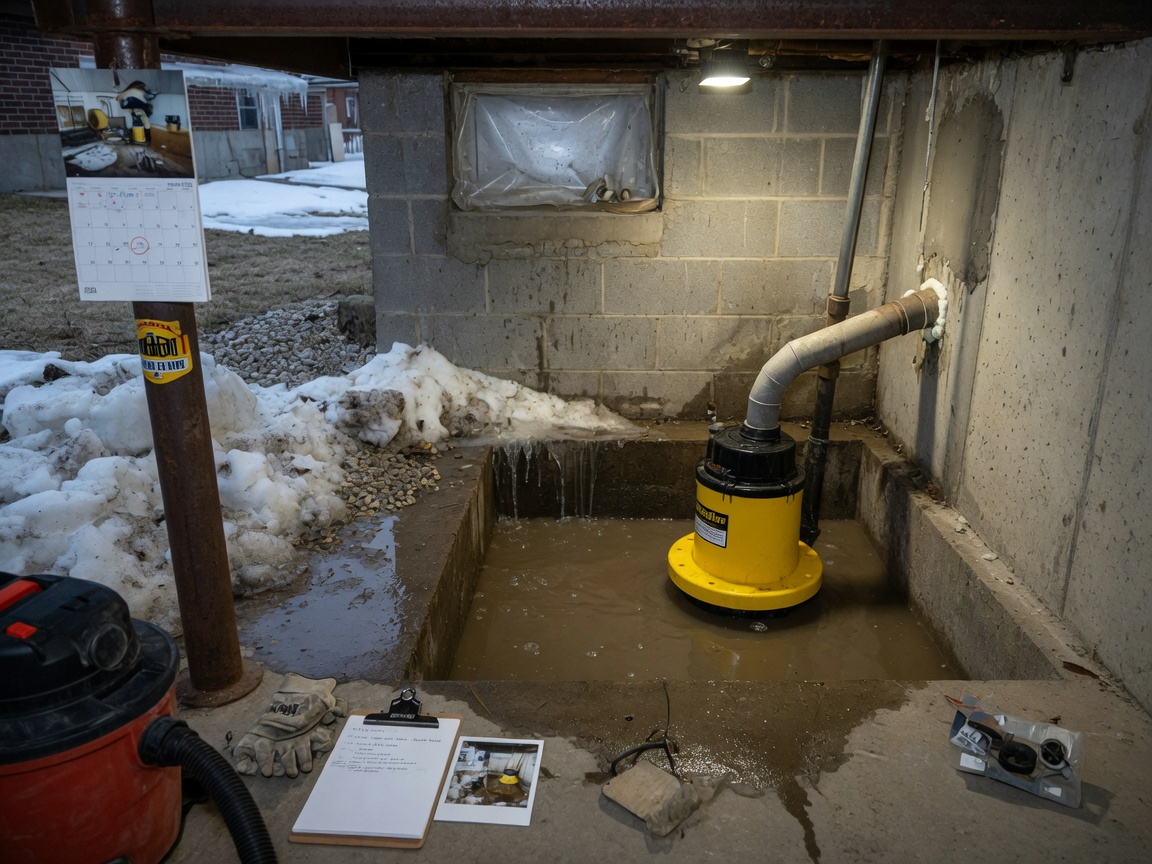
Spring snowmelt in South Bend typically increases groundwater pressure on sump systems by forcing pumps to cycle more frequently after months of winter dormancy, often leading to motor strain or float switch failures within the first few weeks of thaw.
Impact of Local Climate on Sump Pump Operation
South Bend's humid continental climate brings cold winters that pile up snow across St. Joseph County, followed by rapid spring melt that saturates clay-heavy soils. This pattern hits older housing stock in Downtown South Bend and the West Side hardest because many homes built before 1970 have shallow foundations and basic sump pits that cannot handle the sudden volume. In River Park and Keller Park, proximity to the St. Joseph River means meltwater raises the water table faster, so pumps that handled light winter seepage suddenly run nonstop. The same melt that affects Mishawaka and Elkhart properties also reaches Near Northwest streets, where older cast-iron discharge lines crack under the added pressure. Homeowners notice the change when a pump that was quiet all winter starts short-cycling or trips the breaker during the first warm week after March snow.
Common Repair Needs Triggered by Snowmelt
After snowmelt begins, the most frequent repairs involve float switches clogged by sediment stirred up from rising water and check valves that stick open from the increased flow. In homes near Howard Park and Rum Village, tree roots that grew toward moist soil during prior seasons now press against discharge pipes, causing leaks once the volume spikes. Battery backup systems become essential here because spring storms often coincide with power outages from lingering winter damage. When a primary pump fails during peak melt, water can rise several inches in the pit within an hour, so technicians check amperage draw and test cycle times on every service call. Replacement of worn impellers or corroded basins is common in this window because the constant operation reveals weaknesses that stayed hidden through the dry winter months.
Steps to Assess Your System After Melt
- Listen for unusual grinding or short cycles during the first sustained warm spell.
- Check the discharge line for ice dams or debris that survived winter and now blocks flow.
- Verify the pit cover seals properly so meltwater from yard grading does not enter from above.
- Measure how many times the pump runs per hour on a typical spring day; anything over six cycles suggests the system is undersized for current conditions.
These checks help catch problems before they turn into basement water damage in neighborhoods where spring rains follow the melt.
For homes that experience repeated issues, Sump Pump Replacement or adding a Battery Backup Sump Pump System can address the extra load. Properties in River Park often benefit from Sump Pump Discharge and Drainage Repair to handle the extra volume. Readers preparing for the next season can review How To Test Your Sump Pump Before South Bend's First Hard Freeze to keep systems ready year-round.